 SeaAj

Best months
January–December
Where
- Open sea
- Harbours & piers
Best time
- Night
- Dusk
Conditions
- Calm sea
Usual size
12–20 cm
General guidance for the Mediterranean and the nearby Atlantic; local seasons can differ.
How to catch it
Methods
- Feathers / sabiki
Baits
- Bread / paste
Lures
- Feathers / sabiki
The angler's tip
Mostly caught as bait: tiny sabiki rigs under harbour lights at night; keep them cool for the best fresh bait.
Legal minimum size
| Country | Minimum size | Source |
|---|---|---|
| Portugal | ≥ 11 cm | Source Checked 2026-10-23 |
Rules change. Check the official source before you keep a fish; this table is not legal advice.
About this fish
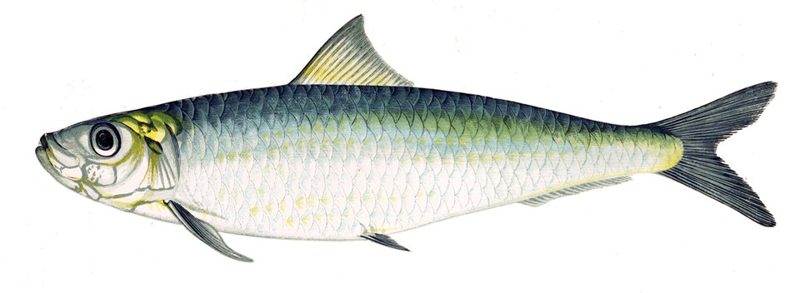
The European pilchard is a species of ray-finned fish in the monotypic genus Sardina. The young of the species are among the many fish that are sometimes called sardines. This common species is found in the northeast Atlantic, the Mediterranean, and the Black Sea at depths of 10–100 m (33–328 ft). It reaches up to 27.5 cm (10.8 in) in length and mostly feeds on planktonic crustaceans. This schooling species is a batch spawner where each female lays 50,000–60,000 eggs.
Frequently asked questions
When is the best time to catch European pilchard?
The best months are January–December. Best time of the day: Night, Dusk.
What bait or lure works for European pilchard?
Bread / paste · Feathers / sabiki · Feathers / sabiki.
What is the legal minimum size of European pilchard?
Portugal: 11 cm.
These are estimates, not guarantees. Always look at the sea yourself before going out, do not go alone and wear a life jacket.